


Table of Contents
- What are blackheads and why do they appear
- What you will need for removing blackheads at home
- Step 1: Double cleansing the face
- Step 2: Exfoliation and facial peeling ampoules
- Step 3: Steam bath and clay mask for unclogging pores
- Korean cosmetics for blackheads: skincare with niacinamide
- Preventing blackheads: diet, habits, and regular care
- Common mistakes when removing blackheads at home
- Frequently asked questions
Last updated: September 13, 2026
What are blackheads and why do they appear
Blackheads are small dark formations in the pores that occur when a mixture of sebum and dead skin cells becomes clogged and oxidizes upon contact with the air. They are dark brown to black in color because the melanin in the cells reacts with oxygen, not because there is "dirt" in the pores (peer-reviewed research). This is the most common misconception about skin and leads to aggressive scrubbing, which worsens the condition.
Their appearance depends on three factors: the amount of sebum, the rate of skin renewal, and the size of the pores themselves. They most often appear on the nose, chin, and forehead, where the sebaceous glands are most active.
Review of comedones and their formation
Difference between blackheads and sebaceous filaments
Many people confuse these two conditions, which leads to improper care. Sebaceous filaments are thin, whitish or yellowish threads of sebum and dead cells that sit in the pores without having oxidized. Blackheads are open comedones with a dark tip.
The key difference: sebaceous filaments do not darken and cannot be "squeezed" like a hard spot. If you press and nothing comes out, you are likely looking at a sebaceous filament, not a blackhead. Both respond well to regular exfoliation, but aggressively squeezing sebaceous filaments only stretches the pores.
What you will need for removing blackheads at home
Effective home care does not require expensive equipment. You need a few products with the right active ingredients and consistency.
- Gentle facial cleansing gel
- A product with salicylic acid to dissolve sebum in the pores
- Clay mask to absorb excess oil
- Peeling ampoule or niacinamide exfoliant
- Hydrating cream to restore the barrier
Salicylic acid is oil-soluble, meaning it penetrates the pores and breaks down sebum from within (peer-reviewed research). This makes it the most reliable active component against comedones.

Safety of home recipes: what dermatologists say
Kitchen recipes with lemon, baking soda, or toothpaste are popular but carry a real risk. Lemon juice has a strongly acidic pH and disrupts the skin's natural pH balance, which weakens the protective barrier. Baking soda is too alkaline and causes micro-trauma and redness.
Dermatologists agree: mechanical squeezing with nails leaves scars and can introduce bacteria into the pores. If you insist on a home recipe, choose honey or tea tree oil in low concentration, but do not combine them with aggressive acids on the same day.
Step 1: Double cleansing the face
Double cleansing is the foundation of any routine against blackheads. It first removes oil-soluble impurities, then water-soluble ones.
Start with a hydrophilic oil or balm on dry skin. Massage for 30-60 seconds, emulsify with a little water, and rinse. Then, use a cleansing gel with a gentle formula. This second step is important because the oil may leave a film that blocks the active ingredients that follow.
Double cleansing is mandatory at night, especially if you wear sunscreen or makeup. In the morning, gel alone is sufficient. If your skin is dry, replace the gel with a milky cleanser to avoid excessive dryness and compensatory sebum production.
Step 2: Exfoliation and facial peeling ampoules
Exfoliation is the step that actually reduces blackheads. It removes dead cells that trap sebum in the pores and allows active ingredients to penetrate deeper.
Difference between AHA and BHA acids
The two main types of chemical exfoliation work differently and are suitable for different conditions.
- AHA (alpha-hydroxy acids). Water-soluble. They work on the surface of the skin and break down the bonds between dead cells. They are suitable for dry skin, uneven tone, and fine lines. They do not penetrate the pores.
- BHA (beta-hydroxy acids). Oil-soluble. The main representative is salicylic acid. It penetrates the pores and breaks down sebum from within. This makes it the most reliable active component against comedones.
If the goal is blackheads, BHA is the logical choice. AHA helps with the overall appearance of the skin but does not clean out the pores.
How to use salicylic acid according to skin type
Concentration and frequency depend on skin tolerance.
- Oily skin. Can tolerate 2% salicylic acid 2-3 times a week. Monitor for dryness on the cheeks.
- Dry skin. Start with 0.5-1% once a week and combine with a moisturizing cream. Higher concentrations lead to flaking.
- Sensitive skin. Use derivatives like betaine salicylate or gluconolactone. Patch test on a small area first.
- Combination skin. Apply BHA only to the T-zone and AHA to the cheeks, if necessary.
Why peeling ampoules are practical
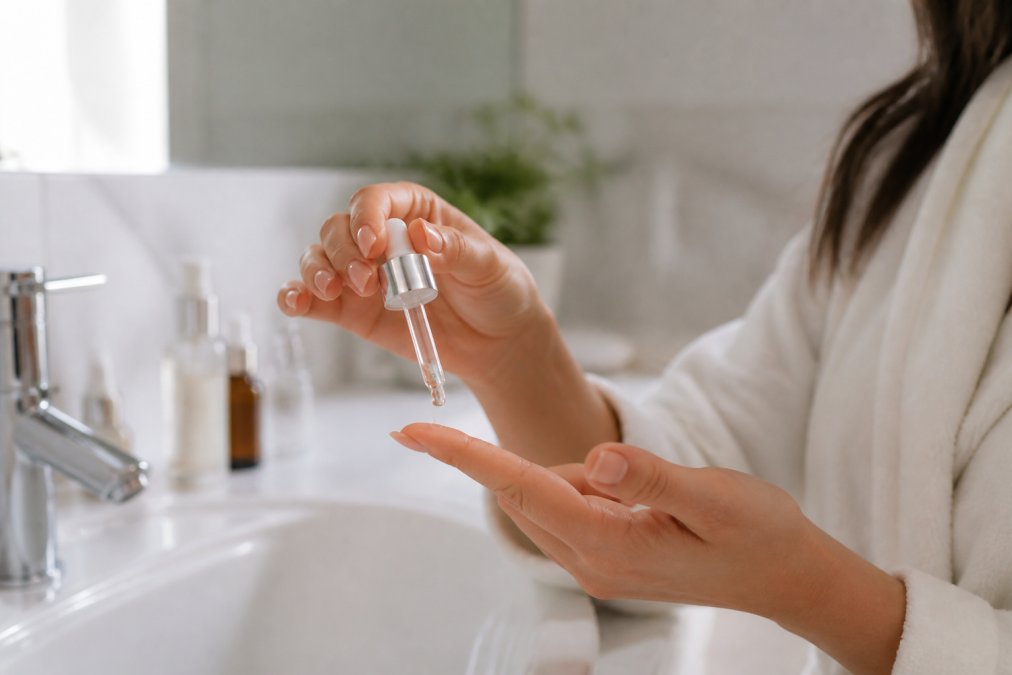
Facial peeling ampoules are a concentrated version of this step. They contain active ingredients in small packaging for single or short-term use, which reduces the risk of contamination and oxidation of the formula. Unlike a large bottle that sits open for months, the ampoule delivers a fresh, active formula with every use.
A product like Peel Shot White Rice Peeling Ampoule combines exfoliation with hydration, so the skin does not burn after use. The formula with niacinamide and allantoin works simultaneously on pores and redness.
Common exfoliation mistakes
- Daily use. Destroys the barrier and leads to redness and more sebum.
- Combining several acids in one day. Increases the risk of irritation without additional benefit.
- Ignoring sunscreen. Acids make the skin more sensitive to UV rays, and dark spots deepen.
- Stopping after two weeks. Skin needs 4-6 weeks to show visible results.
Step 3: Steam bath and clay mask for unclogging pores
Steam bath softens sebum and facilitates pore cleansing. Hold your face 20-25 cm from a bowl of hot water for 5-8 minutes, no more. Longer exposure dries out the skin and leads to the opposite effect.
Afterward, apply a clay mask. Clay absorbs excess oil and tightens pores. Let it dry partially, not completely, so it doesn't draw moisture out of the skin. Rinse with lukewarm water.
The combination of a steam bath plus a clay mask works best once a week. If you do this every day, the skin dries out and begins to produce more sebum, which brings the problem back.
Korean cosmetics for blackheads: skincare with niacinamide
Korean cosmetics for blackheads focus on prevention and gentle active ingredients rather than aggressive cleansing. The main active component in this philosophy is niacinamide.
Skincare with niacinamide works on several fronts at once: it regulates sebum production, brightens dark spots, and strengthens the skin barrier. It is among the few active ingredients that are both effective and tolerated by sensitive skin.
The typical Korean routine involves 5-7 steps, but for the purpose of removing blackheads, three are important: double cleansing, a niacinamide essence, and light hydration. The fewer the steps, the easier it is to remain consistent.
Bellaskin formulates its products precisely in this direction: niacinamide and allantoin for soothing, Korean botanical extracts of marigold and astragalus for antioxidant protection. With 4,000+ satisfied customers and a 4.9/5 rating, the focus is on results without irritation.
Preventing blackheads: diet, habits, and regular care
Preventing blackheads is easier than removing them. Three areas determine whether pores will clog again.
Diet. Foods with a high glycemic index raise insulin, which stimulates sebum production. Reducing sugar and refined carbohydrates shows visible results for many people after a few weeks. Dairy products are also a common factor in cases prone to acne.
Habits. Do not touch your face during the day. Change your pillowcase every week. Clean your phone regularly, as it touches your cheek.
Regular care. Consistency beats intensity. Exfoliating twice a week for two months gives better results than daily aggressive treatment for two weeks.
| Factor | What helps | What harms |
|---|---|---|
| Diet | Less sugar, more water | High glycemic index, dairy |
| Habits | Clean hands, clean pillowcase | Touching face, sleeping with makeup |
| Care | Exfoliation 2x a week | Daily squeezing |
| Hydration | Light niacinamide cream | Heavy oils on oily skin |
Common mistakes when removing blackheads at home
Most people fail not because of a lack of products, but because of errors in execution. Here are the most common ones.
Squeezing with nails. It leaves scars and stretches the pores. If you must use mechanical cleaning, do it after a steam bath and with a soft pore strip.
Over-exfoliation. Daily exfoliation destroys the barrier, the skin becomes red and produces even more sebum. Two to three times a week is enough.
Ignoring hydration. Dry skin compensates with more oil. Hydration is part of the treatment, not a bonus.
Changing products too often. Skin needs 4-6 weeks to show results from a new routine. Changing every 10 days prevents anything from working.
Sun exposure without protection. Active ingredients make the skin more sensitive to UV rays. Without sun protection, dark spots become deeper.
Regular care with the right ingredients solves the problem for most people. Bellaskin offers peeling ampoules with niacinamide and allantoin, which remove blackheads, unclog pores, and simultaneously soothe redness. With 4,000+ satisfied customers and a 4.9/5 rating, the products are designed for women who want visible results without the risk of irritation. Check out the Peel Shot White Rice Peeling Ampoule and start your routine this week.
Frequently Asked Questions
What are the most effective DIY masks for blackheads?
Clay masks with bentonite or kaolin are most effective for absorbing excess sebum and unclogging pores. Combine them with a gelatin and milk mask, which forms a film and draws out impurities. Apply 1-2 times a week to cleansed skin, avoid the eye area, and follow up with a moisturizing cream. DIY masks work best as part of a regular routine, not as a one-time solution.
How often should facial cleansing be done at home?
Double cleansing should be done every day, morning and evening. Exfoliation with peeling ampoules or scrubs is suitable 2-3 times a week for oily and combination skin, and 1-2 times for dry or sensitive skin. Steam baths are recommended once a week. Over-exfoliation disrupts the pH balance and leads to micro-injuries, which stimulate even greater sebum production.
What is the role of niacinamide in fighting blackheads?
Niacinamide regulates sebum production, tightens pores, and light ens dark spots left after acne. It also strengthens the skin barrier and reduces inflammation, making skincare with niacinamide suitable for both oily and sensitive skin. Apply a serum with 5-10% niacinamide after cleansing, before your moisturizer. Results are usually visible after 4-6 weeks of regular use.
Why do blackheads appear and how can we prevent them from recurring?
Blackheads form when sebum, dead cells, and bacteria clog pores and oxidize upon contact with air. Regular care is essential for preventing blackheads: double cleansing, exfoliation with salicylic acid, hydration, and avoiding heavy oil-based products. A diet with less sugar and dairy can also reduce sebum production. Do not skip sun protection, as UV rays stimulate excess oil.