


Table of Contents
- Why blackheads appear and why skin becomes red
- Step one: Proper cleansing and skin hydration
- Step two: Choose gentle exfoliation instead of aggressive scrubbing
- How often should you do a facial peel for clear pores?
- Benefits of facial niacinamide in removing blackheads
- How to soothe red skin after pore cleansing
- Common mistakes that irritate the skin and bring back blackheads
- Conclusion: Build a routine without irritation
- Frequently asked questions
Last update: September 6, 2026
Why blackheads appear and why skin becomes red
Removing blackheads without irritation begins with understanding the exact cause of their appearance. Blackheads are clogged follicles where dead skin cells and sebum accumulate, and the dark color comes from the oxidation of these fats upon contact with the air. It is a mechanical process, not a matter of poor hygiene, which explains why aggressive scrubbing not only does not help but often worsens the condition.
Redness after attempts at cleaning occurs when we disrupt the skin barrier. When we squeeze or scrub roughly, we cause micro-trauma in the epidermis, which leads to inflammation and even infection. At this point, the skin reacts with a protective response that includes increased blood flow and swelling, which makes pores even more visible.
At Bellaskin, we believe that the right approach is gradual and gentle. The key is to dissolve the keratinization in the pores and soothe the skin, instead of forcing it. This is also the main difference between temporary cleansing and sustainable improvement in skin texture.
Step one: Proper cleansing and skin hydration
The first step toward removing blackheads without irritation is to build a stable base of cleansing and hydration. Use a gentle cleansing gel with a slightly acidic pH that does not disrupt the skin's protective layer. Avoid products with sulfates, which dry out the skin excessively and stimulate even more sebum production.
After cleansing, while the skin is still slightly damp, apply a moisturizer with a light texture. A common mistake is to skip hydration for oily skin, but this leads to compensatory oiliness and new blockages. Well-hydrated skin has a stronger barrier and handles inflammatory processes more easily.
Step two: Choose gentle exfoliation instead of aggressive scrubbing
Aggressive scrubbing with scrubs containing large particles is among the most common causes of micro-tears in the skin. Instead, opt for chemical exfoliation with alpha and beta hydroxy acids, which dissolve the bonds between dead skin cells without abrasion. Salicylic acid is particularly suitable for blackheads because it is fat-soluble and penetrates deep into the pores (information about salicylic acid).
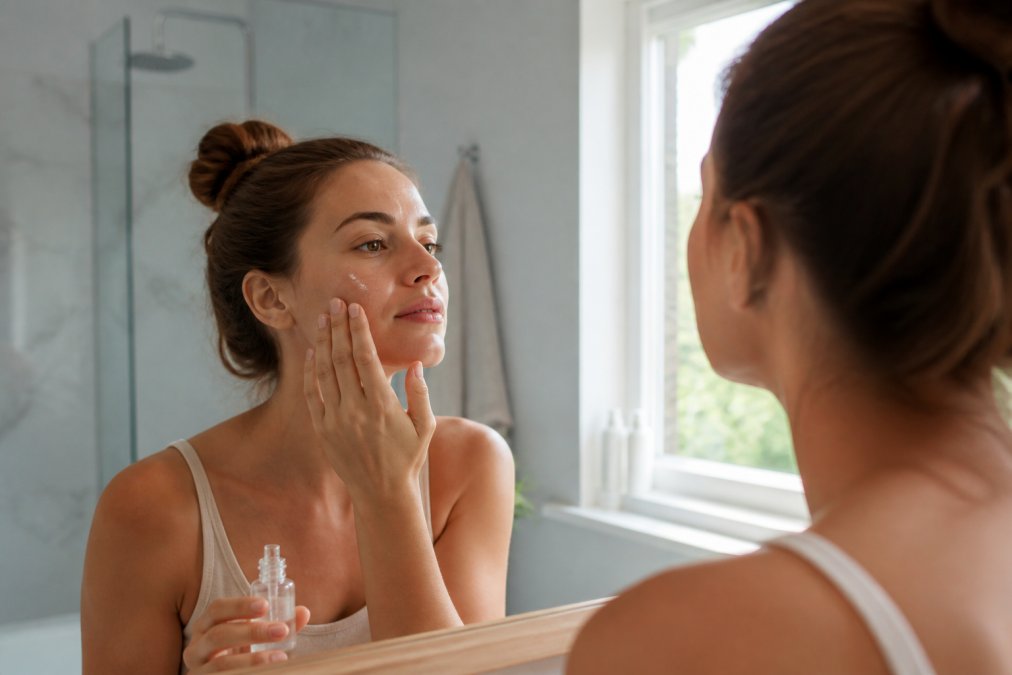
An effective option is the Peel Shot White Rice Peeling Ampoule by Bellaskin, which combines an exfoliating effect with nourishing ingredients. The formula with white rice and extracts of calendula and astragalus unclogs pores and removes blackheads without leaving a feeling of dryness or tightness. The clinically proven effectiveness guarantees visible results, and the niacinamide in the composition works against redness. The price of BGN 29.99 makes it an affordable investment in the long-term cleanliness of the skin.

How often should you do a facial peel for clear pores?
The frequency of peeling depends on skin type and product strength, but the general principle is not to overdo it. For normal to combination skin, two to three times a week is enough to keep pores clear (exfoliation tips). For sensitive skin, start once a week and monitor the skin's reaction for two weeks.
If you use a product with a higher acid concentration, such as 10% glycolic acid, limit use to once a week. Excessive exfoliation weakens the skin barrier and can lead to redness, flaking, and even worsening of blackheads, as the skin begins to produce more sebum as compensation.
| Skin type | Peeling frequency | Indication to stop |
|---|---|---|
| Normal to combination | 2-3 times a week | Light pink hue |
| Sensitive | 1 time a week | Burning or itching |
| Oily | 3 times a week | Redness lasting over 24 hours |
Benefits of facial niacinamide in removing blackheads
The benefits of facial niacinamide in removing blackheads are significant because this ingredient acts on several levels simultaneously. Niacinamide regulates sebum production, which directly reduces the likelihood of pores becoming clogged again. It also strengthens the skin barrier and reduces the visibility of pores over time.
Unlike many active ingredients, niacinamide is well-tolerated by sensitive skin and does not cause redness. It is particularly effective when combined with exfoliating acids because it restores the skin between individual treatments. This makes it a key ingredient in a routine for keeping pores clean without the risk of irritation.
How to soothe red skin after pore cleansing
If your skin is red and irritated after pore cleansing, the first step is to stop all active ingredients for 48 hours. Apply a soothing cream with allantoin or panthenol, which aid in epidermal regeneration. A cold compress for five minutes can reduce inflammation, but do not apply it directly to the skin; use a clean towel.
Hydration is critical for recovering irritated skin. Products with ceramides and hyaluronic acid restore the lipid barrier and lock moisture into the skin. Avoid makeup and sun protection with heavy textures until the skin has completely calmed down.
For prolonged soothing of red skin, incorporate products with niacinamide and allantoin into your routine. These ingredients reduce inflammation and strengthen the skin's natural defense against external irritants, making future procedures more tolerable.
Common mistakes that irritate the skin and bring back blackheads
One of the most common mistakes is using rough exfoliating brushes or sponges, which cause micro-trauma. Another mistake is squeezing blackheads with fingers, which pushes the contents deeper into the pores and risks inflammation. The third mistake is skipping hydration after cleansing, which leads to compensatory oiliness.
A lack of consistency in the routine also contributes to the return of blackheads. Exfoliating once a month is not enough to deal with the keratinization that occurs continuously. Ignoring hydration and sun protection is the fourth systemic error, as sun-damaged skin produces more dead cells.
Conclusion: Build a routine without irritation
Removing blackheads without irritation requires patience and consistency, not aggressive procedures. A sustainable result comes from the combination of gentle cleansing, regular chemical exfoliation, and maintaining a healthy skin barrier with hydrating and soothing ingredients like niacinamide and allantoin.
Your skin will not change overnight, but with the right approach, you will notice clearer pores, less redness, and a more even complexion. Choose products that work in sync with the skin's natural processes, rather than against them. Browse Bellaskin's products for clinically proven formulas that soothe and cleanse the skin simultaneously. Buy now and take the first step toward calm and clear skin.
Frequently asked questions
How can we remove blackheads without hurting the skin?
Use chemical exfoliation with lactic or salicylic acid instead of mechanical squeezing. A white rice peeling ampoule dissolves dead skin cells and sebum in the pores without pressing on the skin. Apply the product with light tapping motions and avoid friction. Regular use 2-3 times a week gradually unclogs pores and reduces the risk of redness and inflammation.
Which cosmetic ingredients help with blackheads?
Niacinamide regulates sebum production and tightens pores, while salicylic acid penetrates the pores and dissolves impurities. Allantoin soothes the skin and reduces redness. White rice extract in peeling ampoules acts as a gentle exfoliant that smoothes texture. The combination of these ingredients yields results without aggressively irritating the skin barrier.
How often should pores be cleaned so the skin is not irritated?
For sensitive skin, cleaning pores with a peel 1-2 times a week is sufficient. For more resilient skin, you can increase to 3 times, but monitor the reaction. If you notice redness or flaking, reduce the frequency. Between procedures, maintain hydration with a light lotion to support skin regeneration. Consistency is more important than intensity.
Why does skin become red when attempting to clean pores?
Redness usually occurs from mechanical squeezing or aggressive exfoliants that disrupt the skin barrier. Blood vessels dilate as a protective reaction of the tissue. Chemical exfoliation with suitable acids acts more gently because it dissolves impurities without physical stress. After the procedure, apply a soothing product with allantoin or niacinamide to restore skin comfort.