


Contents
- How to recognize dehydrated skin?
- Difference between dry and dehydrated skin
- Causes of dehydration: internal and external
- The best hydrating ingredients in skincare
- Face routine for dehydration: 5 steps
- Seasonal changes in care for dehydrated skin
- Common mistakes that worsen dehydration
- Conclusion: Restore your skin's balance
- Frequently asked questions
Last updated: September 9, 2026
Tired, dehydrated skin often appears dull, tight, and marked by fine lines that only disappear after applying cream. This condition differs from dry skin and requires a specific approach. In this practical guide, we will show you how to restore skin hydration in seven clear steps based on understanding its needs. Dehydration is a condition of lacking water in the epidermis, not a lack of oil, which changes your entire choice of products and care.
How to recognize dehydrated skin?
Dehydrated skin is recognized by a feeling of tightness, especially after washing, as well as the presence of fine lines visible when pinching the skin slightly. A feeling of discomfort and roughness is common, and the complexion looks tired and lacks radiance. The problem lies in a compromised barrier function, which allows for excessive transepidermal water loss. As a result, the skin loses its elasticity and appears withered, even when regularly cleaned and nourished.
Difference between dry and dehydrated skin
The main difference between dry and dehydrated skin lies in its type and condition. Dry skin is a skin type determined genetically and characterized by insufficient sebum production, while dehydrated skin is a temporary condition where the stratum corneum lacks water. It is important to note that even oily skin can be dehydrated when the hydrolipid layer is damaged. This means someone with oily skin might feel tightness and see flaking, yet still have shine in the T-zone.
| Characteristic | Dry skin | Dehydrated skin |
|---|---|---|
| Cause | Genetic sebum deficiency | Temporary lack of water in the epidermis |
| Feeling | Tightness, flaking | Tightness, discomfort |
| Fine lines | Less pronounced | Pronounced, especially after cleansing |
| Complexion | Matte, rough | Gray, tired, lackluster |
| Need | Oils and lipids | Water and humectants |
Causes of dehydration: internal and external
Internal factors: stress, diet, and hormones
Internal factors for dehydration are often overlooked, but they play a key role in the condition of the skin. Prolonged stress increases cortisol levels, which can disrupt microcirculation and impair the skin's ability to retain moisture (peer-reviewed research). Insufficient intake of water and foods rich in antioxidants and healthy fats also directly affects cellular regeneration. Hormonal changes, especially during menstruation or menopause, can further affect pH balance and hydration levels.
External factors: climate, UV, and aggressive care
Among external causes of dehydration, climatic conditions and mistakes in daily care are leading factors. Dry air in winter or air conditioning in summer accelerate water loss from the skin. Prolonged exposure to UV rays causes oxidative stress and damages the barrier function, leading to a loss of elasticity. Aggressive cleansing with soaps or frequent use of exfoliants can disrupt the hydrolipid layer, making the skin more prone to dehydration.
The best hydrating ingredients in skincare
Choosing a product does not end with looking for one "miracle" ingredient. Real efficacy for tired, dehydrated skin depends on how the active ingredients interact within a formula and within your routine. Here are the combinations that work in synergy and which ones often conflict.
Combinations that boost hydration
- Hyaluronic acid + Glycerin + Niacinamide: This is the golden triangle for restoring water balance. Hyaluronic acid (especially low molecular weight) attracts water into the deeper layers of the epidermis, while glycerin acts as a powerful humectant in the stratum corneum. Niacinamide (in a concentration of about 2-5%) supports ceramide synthesis and strengthens the barrier function, thereby "locking in" the water that the first two ingredients have attracted (PubMed).
- Ceramides + Cholesterol + Free fatty acids: Our skin needs all three lipids in a specific ratio to build a healthy barrier. Products containing the complete lipid complex are significantly more effective at reducing transepidermal water loss (TEWL) than those with just one lipid.
- Panthenol + Allantoin: This duo is ideal for tired skin prone to irritation. Panthenol (provitamin B5) soothes and aids healing, while allantoin softens and facilitates the penetration of other hydrating ingredients.
Combinations to avoid when dehydrated
- Alcohol (denatured) + High concentrations of acids: Alcohol dries out and dissolves the lipid layer, making the skin more permeable to acids. This leads to a risk of excessive irritation, redness, and even greater moisture loss. Check the ingredient list - alcohol often appears in toners and gels intended for oily skin.
- Active acids (AHA/BHA) + Retinol in the same routine: Both ingredients accelerate cell turnover and can be aggressive for dehydrated skin. If you use them, alternate them on different nights and always apply a product with ceramides afterward to restore the barrier.
- Hyaluronic acid on dry skin without a subsequent moisturizer: Hyaluronic acid is a humectant - it attracts water from the environment. If the air is dry (below about 40-50% humidity) or you apply it to completely dry skin without a moisturizer on top, it can draw water from the deeper layers of the skin upward, which paradoxically leads to even greater dehydration. Always apply it to damp skin and "seal" it with a cream.
How to read the label?
Ingredients in cosmetics are listed in descending order according to their concentration (the FDA). If hyaluronic acid is at the end of the list, it is there more as a marketing element than as an effective active ingredient. Look for products where hyaluronic acid, glycerin, or niacinamide are among the first five to seven ingredients.
Face routine for dehydration: 5 steps
An effective face routine for dehydration is built on the principle of restoring water balance and strengthening the skin barrier. It includes several sequential steps that work in synergy.
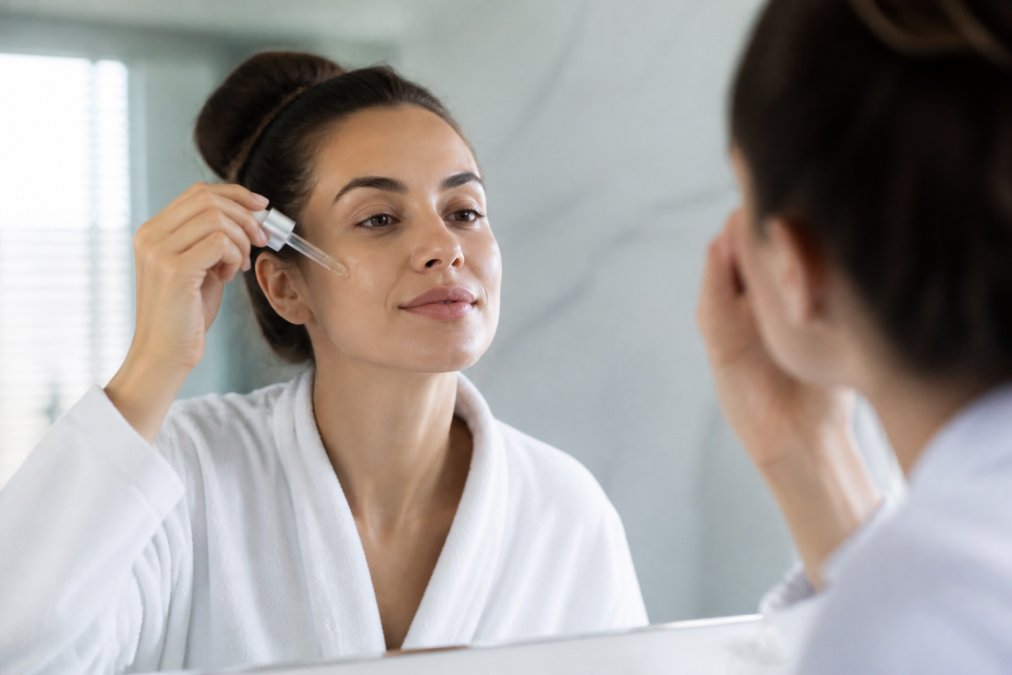
Step 1: Gentle cleansing
The first step toward restoring hydration begins with gentle cleansing that does not damage the barrier. Use a cleansing product with a milk or gel texture that does not contain aggressive sulfates, as they disrupt the hydrolipid layer. Washing with lukewarm water, rather than hot, is essential to avoid additional moisture loss.
Step 2: Toner with hydrating ingredients
After cleansing, a hydrating toner restores the skin's pH balance and prepares it for subsequent products. A toner with glycerin or hyaluronic acid applies the first layer of hydration and soothes the feeling of tightness. Apply the toner with light tapping motions using your palms while the skin is still slightly damp.
Step 3: Hyaluronic acid serum
A hyaluronic acid serum is the key step for intense hydration of dehydrated skin. It acts at a deeper level in the epidermis, attracting water molecules and improving hydration levels. Apply the serum to damp skin so that the hyaluronic acid can retain the maximum amount of water.
Step 4: Moisturizer with ceramides
After the serum, it is mandatory to apply a moisturizer containing ceramides to "seal" the hydration into the skin. Ceramides restore the lipid layer and prevent transepidermal water loss, which is the main cause of dehydration. This step creates a protective barrier that retains moisture and nourishes the skin.
Step 5: Sun protection
Sun protection is an indispensable step in caring for dehydrated skin, as UV rays damage the barrier function and accelerate moisture loss. Regular use of a product with UV protection protects against oxidative stress and premature aging. This is an investment in the long-term health and radiance of the skin.
Seasonal changes in care for dehydrated skin
Dehydration is rarely constant - it intensifies and subsides depending on the season. The most difficult periods for the skin are not the extremes themselves (cold winter or hot summer), but the transitional seasons - spring and autumn - when it must adapt to sudden changes in temperature, humidity, and wind. Here are specific protocols for each season.
Winter: Barrier protection
In winter, cold air outside and dry air from indoor heating create double stress. Humidity drops drastically, which accelerates transepidermal water loss.
- Cleansing: Switch to a cleansing cream or balm without foam. Avoid gels that leave a "squeaky clean" feeling - this is a sign that the barrier is damaged.
- Hydration: Apply your hyaluronic acid serum to still-damp skin immediately after washing. If the air in your home is very dry, consider a room humidifier in the bedroom - this can do more for your skin than any cream.
- Moisturizing: Replace your light lotion with a richer cream that contains ceramides, squalane, and oils like rosehip or jojoba. Apply it in two layers, waiting for the first one to absorb.
- Night care: Include a restorative night mask or night balm 2-3 times a week to support barrier repair while you sleep.
Spring: Detox and preparation
Spring is a time when the skin "wakes up" from winter stress. It is often congested with dead cells and visibly tired.
- Exfoliation: Introduce gentle exfoliation with PHA acids (like gluconolactone) 1-2 times a week. PHA acids have larger molecules than AHA and BHA, act more superficially, and have an additional hydrating effect, making them ideal for dehydrated skin.
- Hydration: Begin to decrease the weight of your winter cream, but do not remove it suddenly. Switch to an emulsion or lighter cream, while keeping the hyaluronic acid serum.
- Antioxidants: Add a vitamin C serum (in a stable form like ascorbyl glucoside) to your morning routine. It protects against oxidative stress, which increases as daylight hours lengthen.
Summer: Lightness and protection
In summer, air conditioning and intense sun are the main enemies of hydration. The air conditioner dries the air, and UV rays damage the barrier.
- Cleansing: You can return to a lighter gel or foam, but continue to avoid sulfates.
- Hydration: Apply your serum more frequently, especially if you spend time in air conditioning. You can keep a hydrating spray with glycerin in your bag and spray it during the day, followed by a light moisturizer.
- Sun protection: It is mandatory year-round, but in summer choose a formula with a lighter texture (gel or fluid) that does not clog pores. Sun protection with hydrating ingredients like niacinamide or glycerin is a double win.
Autumn: Recovery after summer
Summer leaves its mark - even if not immediately visible, the skin is often dehydrated from the sun and salt or chlorinated water.
- Recovery: This is the time to reintroduce richer textures and products with ceramides. The skin needs time to restore its lipid barrier before the winter frosts arrive.
- Active ingredients: If you are planning to start using retinol or acids, autumn is the most suitable season – the sun is not as strong and the risk of pigmentation is lower. Start with a low concentration and apply only 1-2 times per week.
Common mistakes that worsen dehydration
Many people unknowingly worsen their skin dehydration with daily habits that can easily be corrected. One of the most common mistakes is skipping a moisturizer after a serum, believing that the serum is enough, which leads to the evaporation of moisture. Overuse of exfoliating acids or mechanical scrubs damages barrier function and worsens the condition. Using excessively hot water when washing also destroys the hydrolipid layer, and ignoring sun protection makes the skin vulnerable to UV damage. A lack of water intake and a balanced diet rich in antioxidants directly affects the skin's ability to recover.
Conclusion: Restore your skin's balance
Restoring hydration to tired skin requires patience, consistency, and the right choice of products that work in harmony with its needs. Start by identifying the difference between dry and dehydrated skin, then build a routine that includes gentle cleansing, a hydrating toner, a hyaluronic acid serum, and a moisturizer with ceramides. Remember that internal factors like stress and nutrition are just as important as external care. To boost the effect of your routine and provide your skin with intense hydration and antioxidant protection, check out Bellaskin products, which contain niacinamide and allantoin to soothe and strengthen the skin barrier.

Tired skin often screams for water, but we treat it with oils or stronger products that worsen the problem. The right approach requires understanding the difference between dryness and dehydration and building a targeted routine. With products like Bellaskin's collagen jelly, which provides deep hydration and stimulates skin barrier function, you can restore balance and bring back your skin's radiance. Buy now and feel the difference from the very first application.
Frequently asked questions
How do I know if my skin is dehydrated?
Press your cheek lightly with a finger. If the skin does not return to its normal state immediately and a slight mark remains, this is a sign of dehydration. Other symptoms include a feeling of tightness, especially after washing, fine lines that disappear after applying a moisturizer, and a grayish complexion. Unlike dry skin, dehydrated skin produces sebum but lacks water in the epidermis. The pinch test is a quick guide, but the most accurate way is to observe symptoms in combination with your lifestyle.
Which ingredients are most effective for skin hydration?
The best hydrating ingredients in cosmetics are hyaluronic acid, which attracts water into the epidermis, glycerin, which retains moisture, and ceramides, which restore the skin's barrier function. Panthenol soothes and supports cell regeneration, while niacinamide improves microcirculation and strengthens natural protection. Look for products that combine humectants (hyaluronic acid, glycerin) with emollients and occlusives (squalane, oils) to lock water into the skin and prevent transepidermal water loss.
How long does it take for dehydrated skin to recover?
With the right facial routine for dehydration, the first improvements are felt after just 3 to 5 days. The feeling of tightness decreases, and the skin looks fresher. However, full recovery of the hydrolipid layer takes 2 to 4 weeks, as cell regeneration and the restoration of barrier function take time. Be consistent with your care and water intake. If there is no improvement after a month, consider whether your products are too aggressive or whether you are skipping sun protection, which protects against oxidative stress.
Can dehydrated skin be oily?
Yes, this is a common phenomenon. When the epidermis lacks water, the skin often compensates with increased sebum production, attempting to protect its barrier. This results in a condition known as 'dehydrated oily skin' – it shines in the T-zone but feels tight and rough. In this case, avoid aggressive degreasing, which further disrupts the barrier. Instead, use gentle cleansing products and a light hydrating fluid with hyaluronic acid, which restores balance without weighing the skin down.